



.jpg.jpg)



.jpg)





.webp)

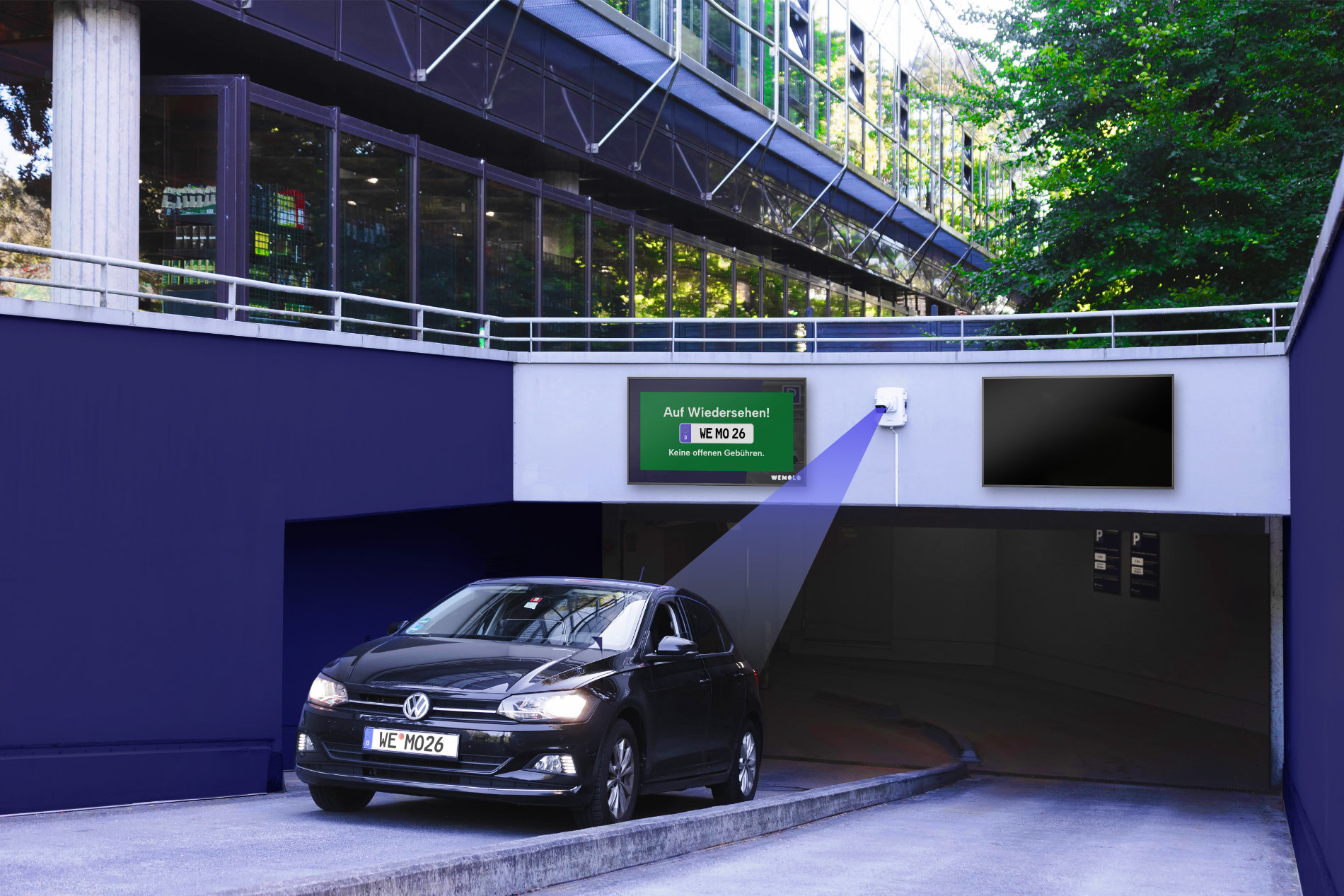
Municipal parking space management: digital solutions for cities and municipalities

Municipal parking space management is a central tool for cities and municipalities to manage scarce parking space efficiently, fairly and sustainably. Digital, barrier-free solutions make it possible to make better use of not only public road space, but also municipally organized private parking spaces. Cities such as Berlin, Munich, Hamburg, Vienna, Zurich or Innsbruck show how data-based systems reduce parking search traffic and use existing capacities more intelligently. Modern parking space management uses license plate recognition, automated billing and flexible rates — without high personnel or operating costs. This creates transparency for users and planning security for municipalities. At the same time, revenue can be generated without sealing new areas. Digital parking management thus improves the quality of life in districts such as Prenzlauer Berg or Neukölln and makes parking in cities sustainable.
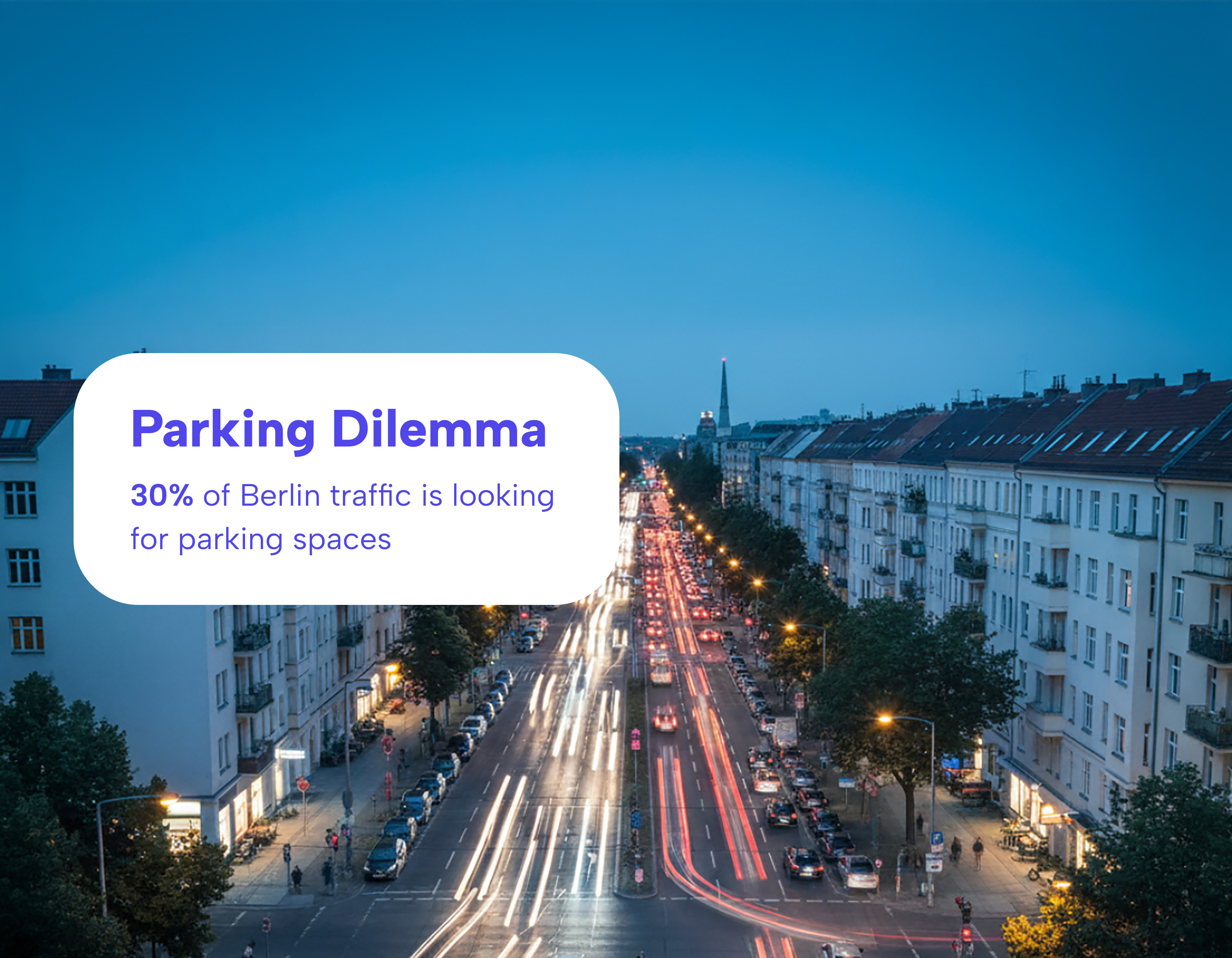
Monday evening, rush hour traffic in the city center: While parking search traffic is increasing, many parking garages and parking spaces are underutilized.
In this article, we look at municipal parking space management with a view to municipally organized but privately managed parking areas. Digital solutions such as those from Wemolo show how this approach can be implemented without barriers and based on data, thus contributing to better utilization of existing capacities.
The most important things in brief
- Kommunale parking space management is an intelligent management tool for livable cities.
- When implemented correctly, it relieves traffic, creates fairness for different user groups such as residents and commuters, and generates income for the municipality.
- The key to success is a digital, barrier-free solution that uses license plate recognition — just like the one from Wemolo.
What is municipal parking management?
Die KEA Climate Protection and Energy Agency Baden-Württemberg defines urban parking space management as the targeted organization and management of parking areas by cities and municipalities. When implemented in practice, these principles can also be transferred to privately managed parking spaces organized by municipalities.
When does parking space regulation make economic sense?
that German Institute of Urban Affairs underlines that parking space management pays off economically and in terms of traffic, especially when parking pressure is high. This applies not only to street space, but also to municipal private parking areas such as municipal parking garages or parking spaces.
Digital systems make it possible to manage these areas as needed, to price them flexibly and to make better use of them. At the same time, operating and personnel costs fall as control, billing and administration are automated. This creates an economically viable approach for cities and municipalities to optimize existing infrastructure.
The 3 pillars of successful parking space management
The three pillars of fairness, transparency and efficiency form a proven framework. Their implementation in everyday municipal life on privately managed land is decisive. This is exactly where Wemolo comes in.
- Fairness: By automatically recording parking time, rules can be applied consistently. Solutions such as those from Wemolo implement this approach on private parking areas and reduce administrative costs.
- Transparency: Parking processes, fees and occupancy rates are digitally traceable. The system is GDPR-compliant and creates clear processes for administration and users.
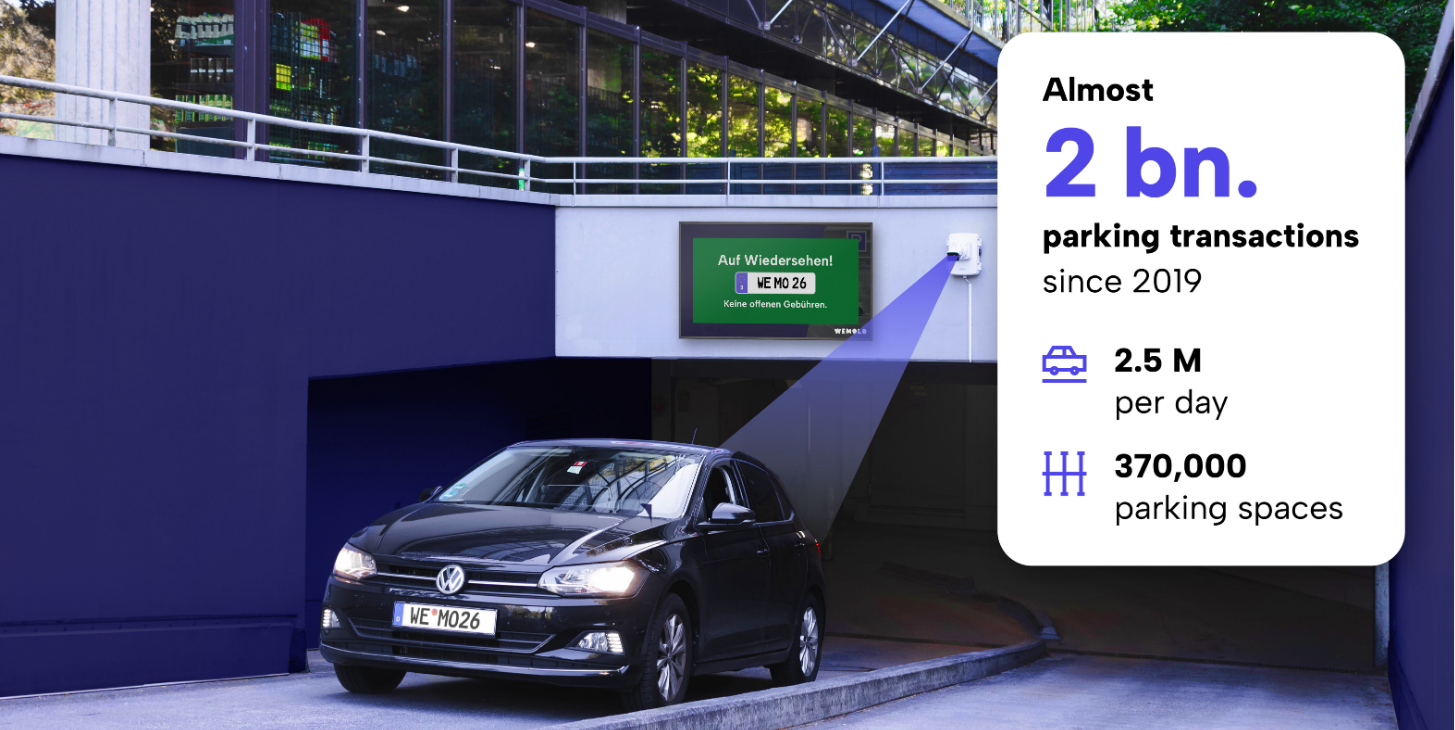
- efficiency: Automated parking systems reduce operational costs and improve the utilization of existing parking areas. In practice, barrier-free solutions with camera-based license plate recognition are used for this purpose. They digitally map entrances and exits as well as billing and thus enable the multiple use of municipally organized private parking spaces, completely without new buildings or additional area sealing.
How can municipalities organise the management of private parking areas fairly and efficiently?
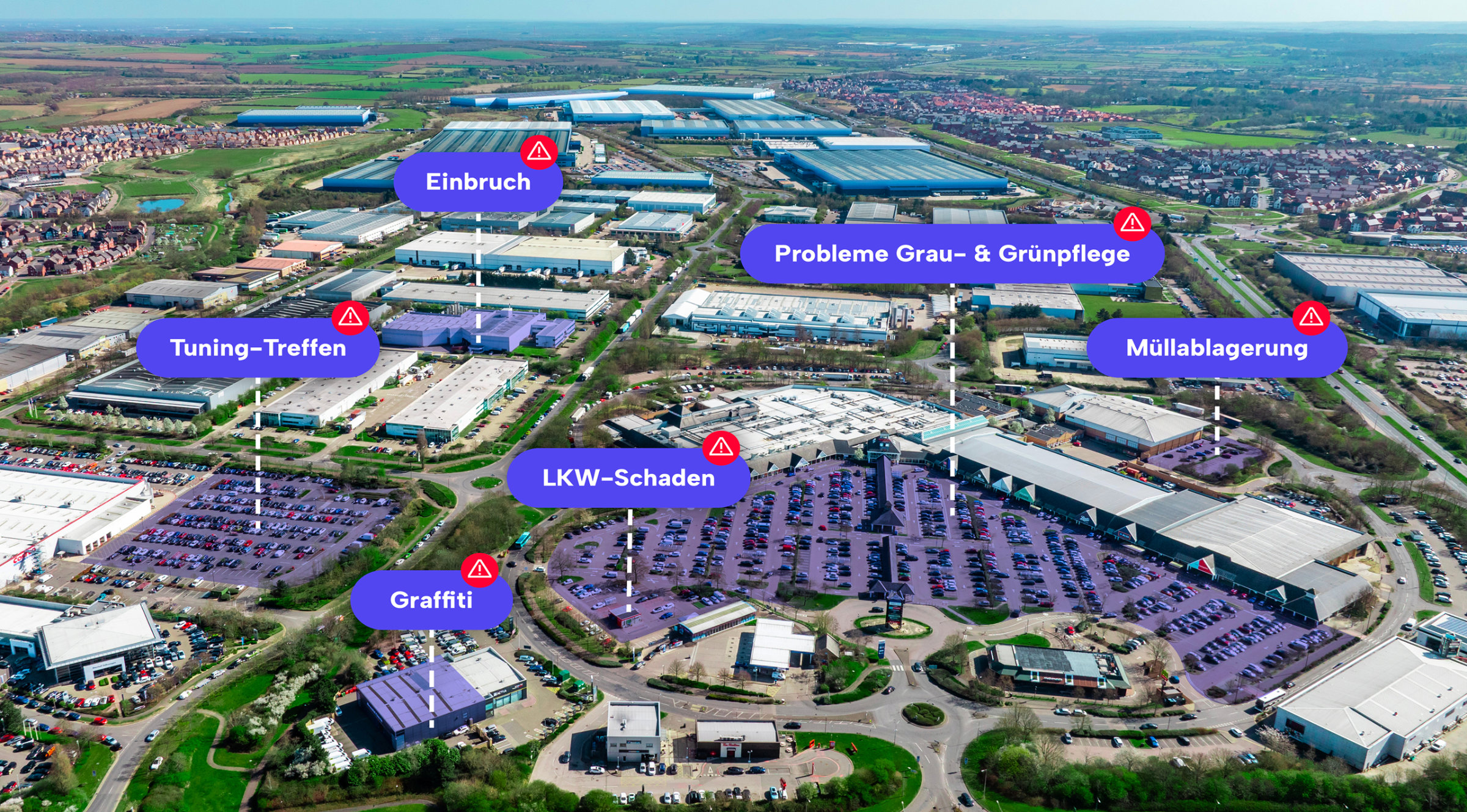
Municipally organized privately managed parking areas are not controlled via classic parking space management zones in the street space, but on an object-specific basis. Clear rules on usage, tariffs and time windows are digitally communicated and contribute to simplifying processes, reducing parking search traffic and improving the quality of life in the surrounding area.
Fairness results when these rules apply uniformly and are implemented transparently. In private spaces, this means: no special regulations, but clearly defined usage models, such as time-dependent or via bookings. In this way, different user groups can be considered without favoring individual users.
Legally, the use of such systems is linked to private land. Digital solutions based on license plate recognition are designed for this purpose and enable GDPR-compliant, automated recording of parking time. Parking fees are set on a per-property basis and can be adjusted to usage and demand. Without additional administrative effort!
Such approaches help operators to make better use of existing car parks and to manage existing capacities in a targeted manner. It is not necessary to seal new surfaces or carry out structural interventions.
Municipal parking space management in cities — digital additions in practice
Parking space management for cities is not a theoretical concept, but an established instrument for managing scarce spaces. A few practical examples:
Parking space management in Munich:
The state capital is using parking license areas and digital services to structure parking in Munich — from the city center to the parking lot at Munich Airport. A project in the greater Munich area shows how parking in Munich also works outside public roads. Am Garching Business Campus private parking spaces are used flexibly, for example for flexible booking options or visitors to the Allianz Arena.
Parking space management in Berlin
Parking space management in Berlin is facing increasing parking pressure in neighboring areas such as Lichtenberg as a result of the expansion of public zones, for example in the Neukölln district. This imbalance, which, according to studies, costs Berlin car drivers an average of 58 hours a year looking for a parking space, is addressed by innovative approaches on private land.
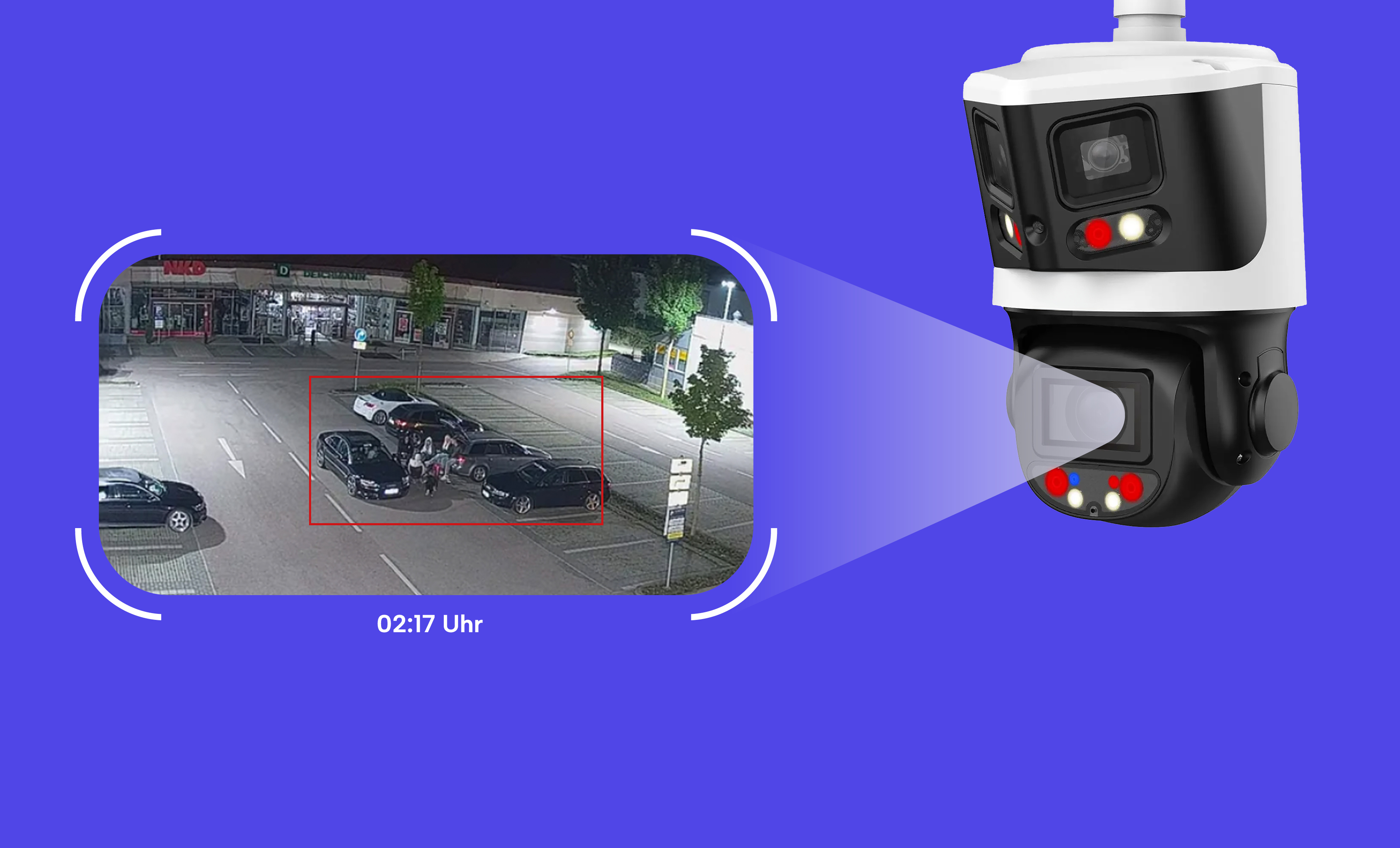
A current pilot project in Lichtenberg, Prenzlauer Berg and in the neighboring Panke Valley demonstrates how unused capacities are being developed. In cooperation with Getränke Hoffmann Parking expert Wemolo is using an AI-supported barrier-free system for license plate recognition. As a result, free commercial parking spaces are available to the public at night. The aim is to reduce parking search traffic and provide additional parking space without new area sealing. The scientifically supported project serves as a “blueprint for Berlin and other European cities” and offers residents relief through bookable overnight parking spaces starting at 2 euros.
Parking space management in Hamburg and Krefeld:
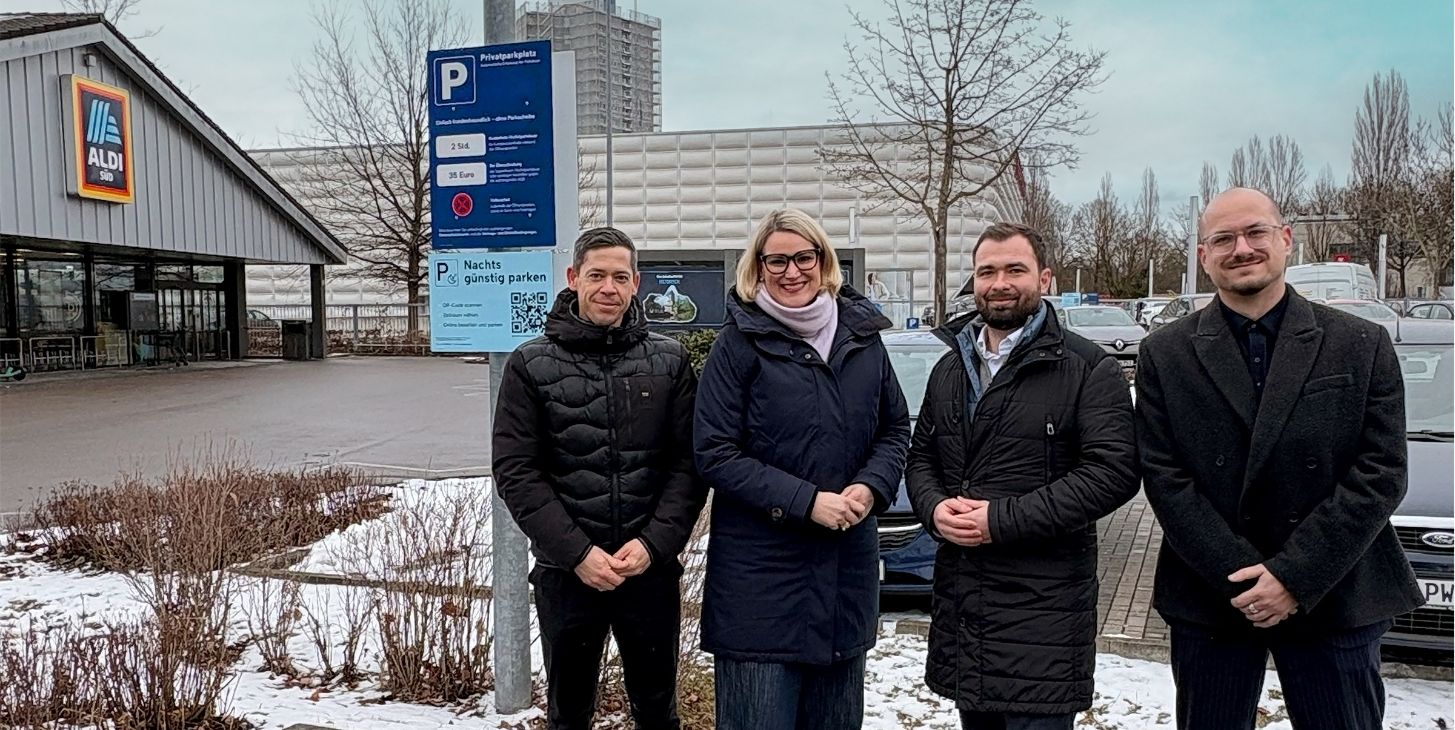
While parking space management in Hamburg is increasingly relying on digital applications to make more efficient use of existing parking garages, the trend towards opening up private spaces is also evident elsewhere. In Krefeld, for example, Aldi Süd rents In cooperation with Wemolo, 40 parking spaces for so-called “after-work parking” for residents.
Parking space management in Vienna:
In Vienna, the parking sticker system is clearly regulated and structures parking in the city area. In addition, it is increasingly being considered how private parking areas can also contribute to the better use of existing capacities.
Parking space management in Zurich:
The city Zurich is increasingly focusing on digital solutions for parking and is an example of progressive parking management in Switzerland.
Parking space management in Innsbruck:
The underground car park in the municipality of Aldrans near Innsbruck provides a concrete example of barrier-free digitization. Parking is easy here. A Wemolo system is used, which automatically recognizes vehicles as they enter and exit using the license plate.
For users, this means maximum convenience: The parking process can be conveniently paid digitally, including via 0-click pay, and the current occupancy of the garage can be viewed in real time. This enables efficient management of the existing parking space without additional construction costs or classic ticket systems.
Parking space management in Graz:
The city of Graz is also pushing ahead with digital parking space management. Since November 2025, a pilot project has been tested at Europaplatz/Hauptbahnhof, which replaces the classic paper parking ticket with a digital parking ticket, which is also based on recording the license plate.
Digital parking solution at Tankumsee Isenbüttel:
Auch Local recreation areas such as Tankumsee Isenbüttel drive digital parking space management forward. There, a solution is being used which replaces the classic barrier system with a system that is also based on the registration of the license plate. This simplifies the parking process for visitors and reduces administrative costs.
Conclusion: Rethinking municipal parking space management strategically
Wemolo supports municipalities and cities in implementing private parking space management in a practical way. The combination of digital parking space management and more automated parking monitoring creates a reliable basis for transparent processes, lower administrative costs and better utilization of existing parking areas.
Frequently asked questions about municipal parking space management
What does “free flow” mean in parking space management?
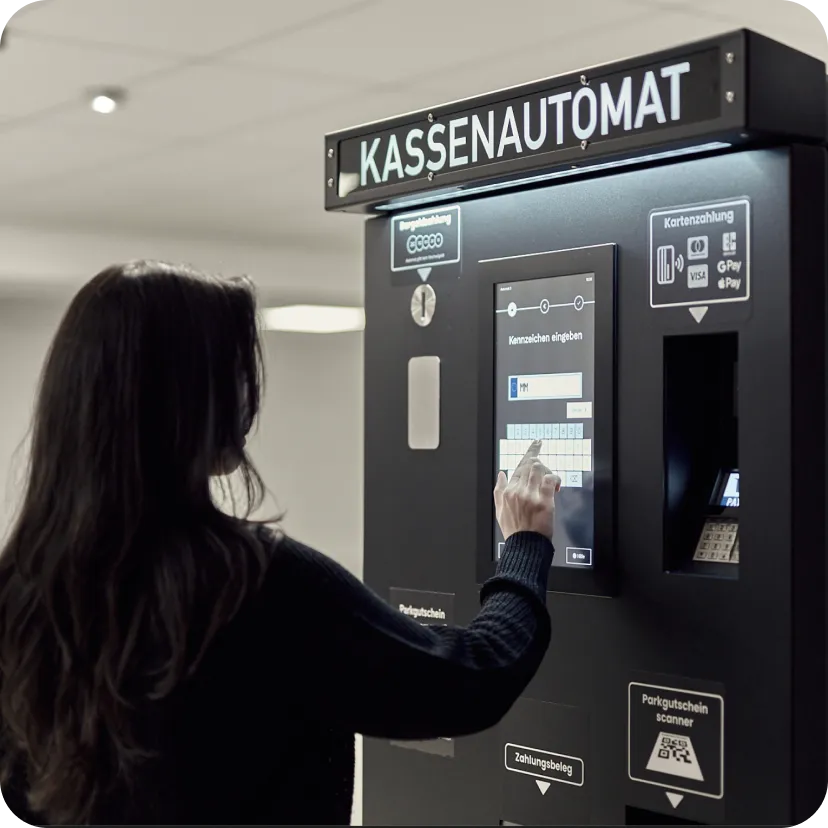
“Free-flow“describes a barrier-free parking system in which vehicles are automatically registered using license plate recognition. This allows traffic to flow smoothly without stopping. (English: Free flow.) Payment is made flexibly online or at a pay machine, which makes the parking process more convenient for users.
What are municipal parking spaces?
Municipally organized parking spaces are parking spaces that are in the area of responsibility of a city or municipality, but are not necessarily part of public roads. These include, for example, parking spaces on private areas in the city. Such parking spaces can be managed digitally in order to efficiently manage occupancy, operations and revenue.
What are the benefits of digital parking space management?
Digital systems reduce operating costs, increase efficiency and improve the user experience. They enable flexible rates and provide reliable usage data to optimize parking space availability. In this way, they help cities and municipalities to make processes more transparent, predictable and modern.
Is license plate recognition compliant with data protection regulations?
Yes The technology used by Wemolo for parking monitoring is 100% GDPR compliant. The data is transmitted in encrypted form and is only used for parking space monitoring purposes.
How does digital parking work in Zurich?
Digital parking in Zurich enables efficient management of available parking space. Modern systems offer flexible rates, accurate utilization data and simplified control processes. At the same time, they help to improve traffic flow and to organize and manage parking spaces more transparently, in line with needs and, overall, more efficiently.
Which system is suitable for managing municipal parking areas?
Automated systems are particularly suitable for managing urban parking areas such as parking garages or parking spaces. Unlimited solutions with license plate recognition, such as those from Wemolo, reliably record entry and exit as well as parking time, reduce administrative effort and can be flexibly adapted to different usage models and time usage concepts.
How can cities modernize municipal car parks?
Municipal parks can be modernized by digitizing and automating existing processes. Camera-based barrier-free systems reliably record parking processes, improve utilization and reduce operating and maintenance costs. Solutions such as those from Wemolo enable this modernization step by step, without structural intervention and without significantly affecting ongoing operations.
What does parking space management mean in a municipal context?
In a municipal context, parking space management describes the structured management of parking spaces in order to efficiently use existing capacities. In addition to public road space, this increasingly also affects municipally organized private parking areas such as parking spaces. Digital systems enable transparent, automated use and billing — without structural intervention or manual processes.
Sources
[1] Federal Environment Agency (2021)
[3] German Institute for Urban Affairs (2018)

As an Account Executive and expert in digital parking management, Nicole supports cities and municipalities in implementing modern parking solutions. In her articles, she writes about municipal parking management, digital payment processes, and current developments in the mobility sector.
Similar articles
Parking in the Gastronomy Industry: An Underestimated Factor for Guest Satisfaction and Revenue
How restaurants manage parking spaces efficiently & increase guest satisfaction and turnover in the hospitality sector. Find out more now!

Parking Space Management & Real Estate Administration
AI-based Parking Space Management in Real Estate Administration ✓ Learn more about innovative opportunities for the real estate industry!

Barrier-free parking in healthcare
Optimize your hospital parking ➤ Increase revenue & ease the burden on your administration. Digital, fair & reliable. Learn more now!