



.jpg.jpg)







.webp)


Pilot for booking lots launches in Three Districts: Getränke Hoffmann Opens Up Parking Spaces for Berlin Drivers
Pilot for booking lots launches in Three Districts: Getränke Hoffmann Opens Up Parking Spaces for Berlin Drivers
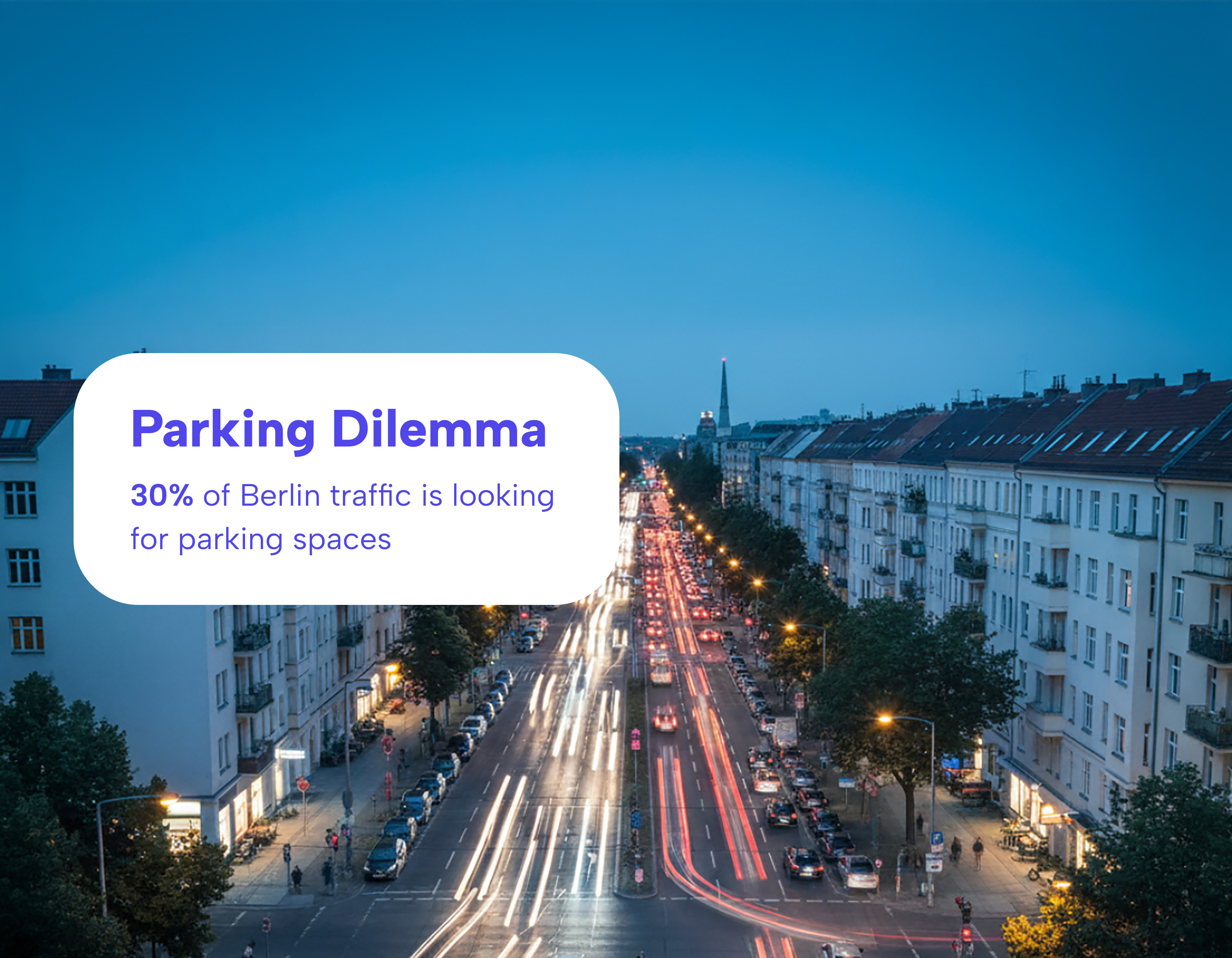
30% of Berlin traffic is searching for parking, whilst three quarters of private spaces remain unused on average. A pilot in Lichtenberg, Prenzlauer Berg and Panketal shows a solution without additional surface sealing.
Berlin, 11. November 2025. Berlin’s paradoxical parking reality: one in three driver circles the city searching for a space, whilst thousands of private car parks in Berlin remain empty every night. A new co-operation is addressing this issue and quenching the capital’s thirst for parking: Getränke Hoffmann, together with Wemolo (www.wemolo.com), the market leader for digital car park management solutions, is opening up retail car parks for overnight use for the first time. The Urban Places Lab, a think tank specialising in urban transformation, is scientifically supporting the project and analysing usage patterns.
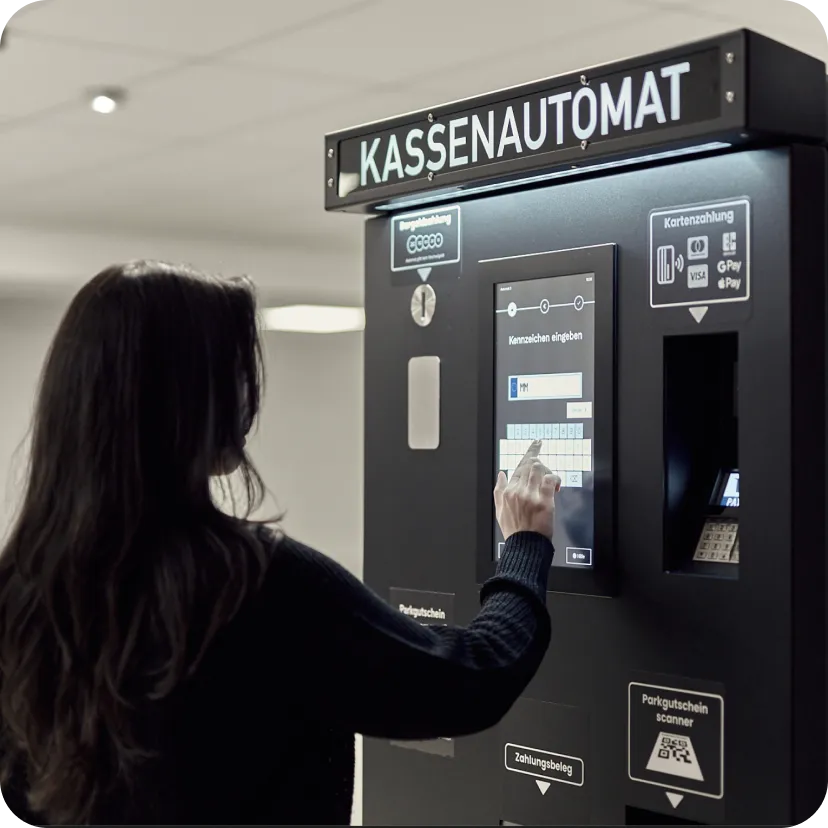
Berlin residents can now book these parking spaces from early evening until morning via www.go.wemolo.com/parken-berlin – from 2 Euros per night, with the option of weekly or monthly flexible subscriptions for a predictable overnight parking space.
The Berlin Parking Dilemma
According to the INRIX Study 2024, Berlin drivers lose 58 hours a year in traffic jams – a negative national record for Germany, with economic costs of 828 million Euros. Furthermore, from 2026, the fees for resident parking permits will increase from 20.40 Euros to 160 Euros. Concurrently, the massive expansion of car park management in Friedrichshain-Kreuzberg is intensifying displacement pressure on neighbouring districts. The district office in Lichtenberg is already reporting a “significant increase in vehicles” due to commuters from the chargeable zones.
The absurd reality is that while drivers circle, retail car parks remain unused. "As a company, we see it as our responsibility to use existing resources sensibly. By releasing our previously unused spaces to the public, we want to make an active contribution to the quality of life for people in the surrounding area. With this approach, we can quench the enormous thirst for parking and are now also applying the 'reuse' principle to spaces – why should car parks lie dormant at night when Berlin residents need them?” explains Mario Benedikt, Managing Director of Getränke Hoffmann. Founded in Berlin-Neukölln in 1966, the family-run business now operates around 90 branches in the capital and is distinguished by its 95 per cent reusable quota for non-alcoholic beverages and beers.
Technology Makes Car Parks Smart
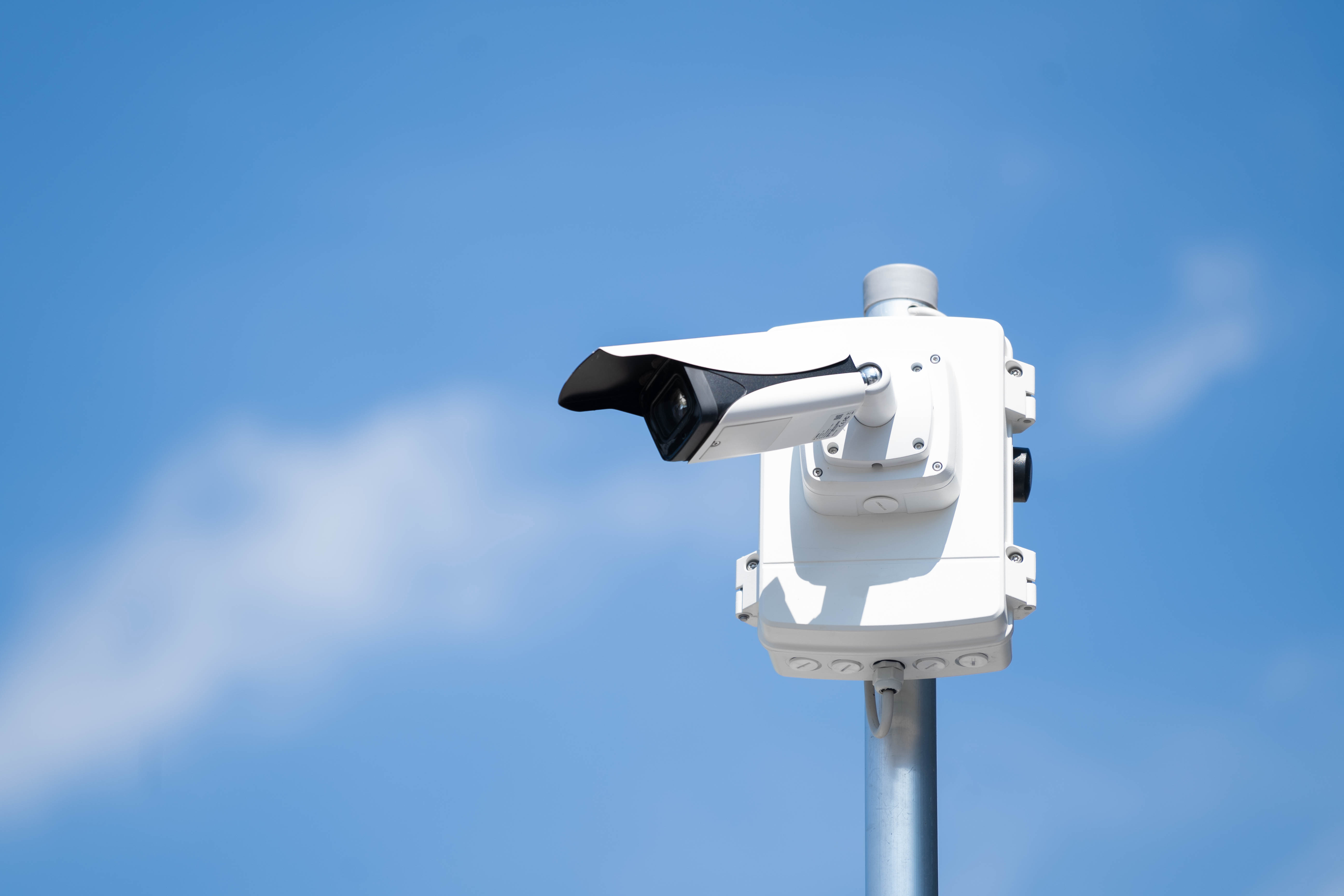
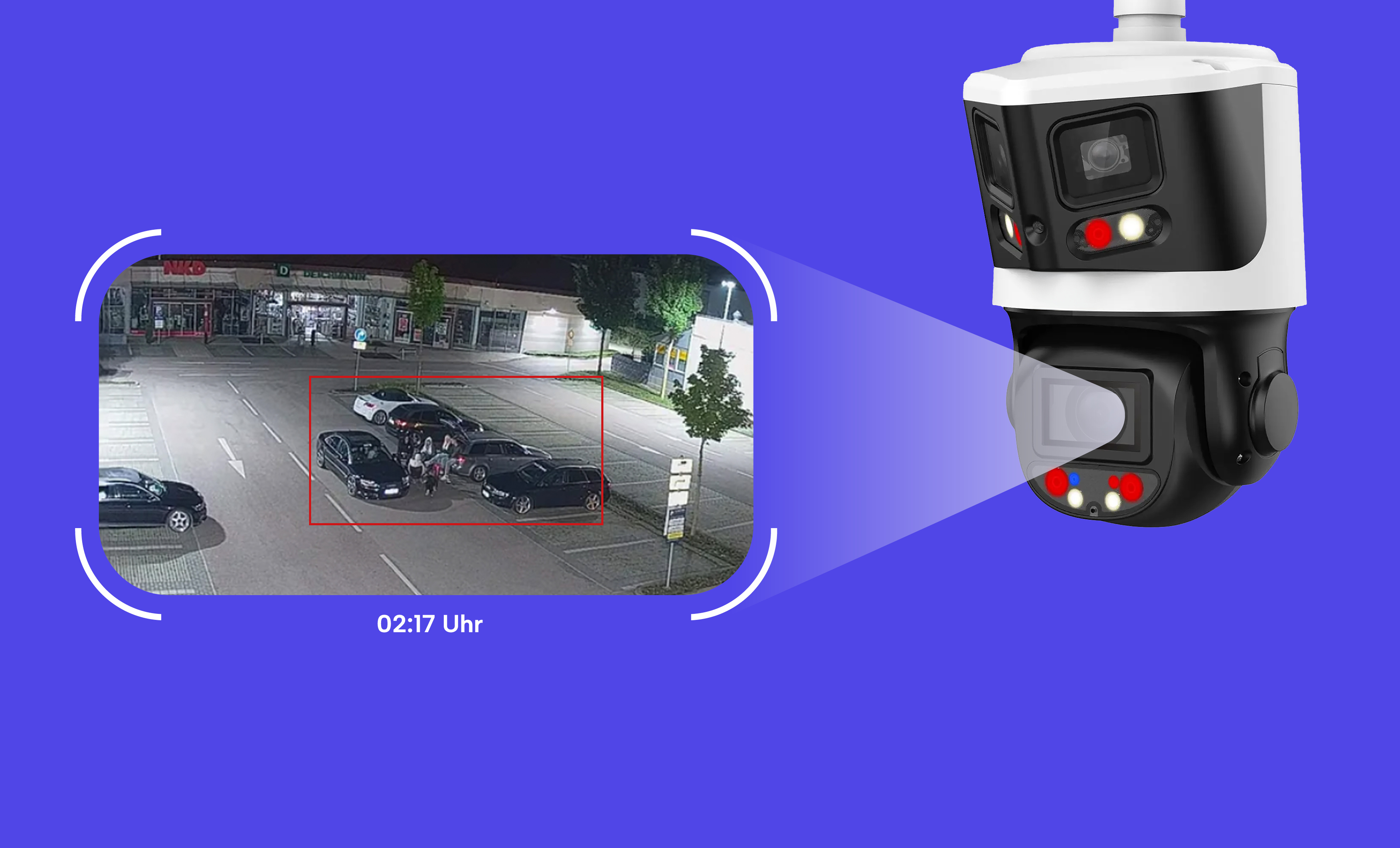
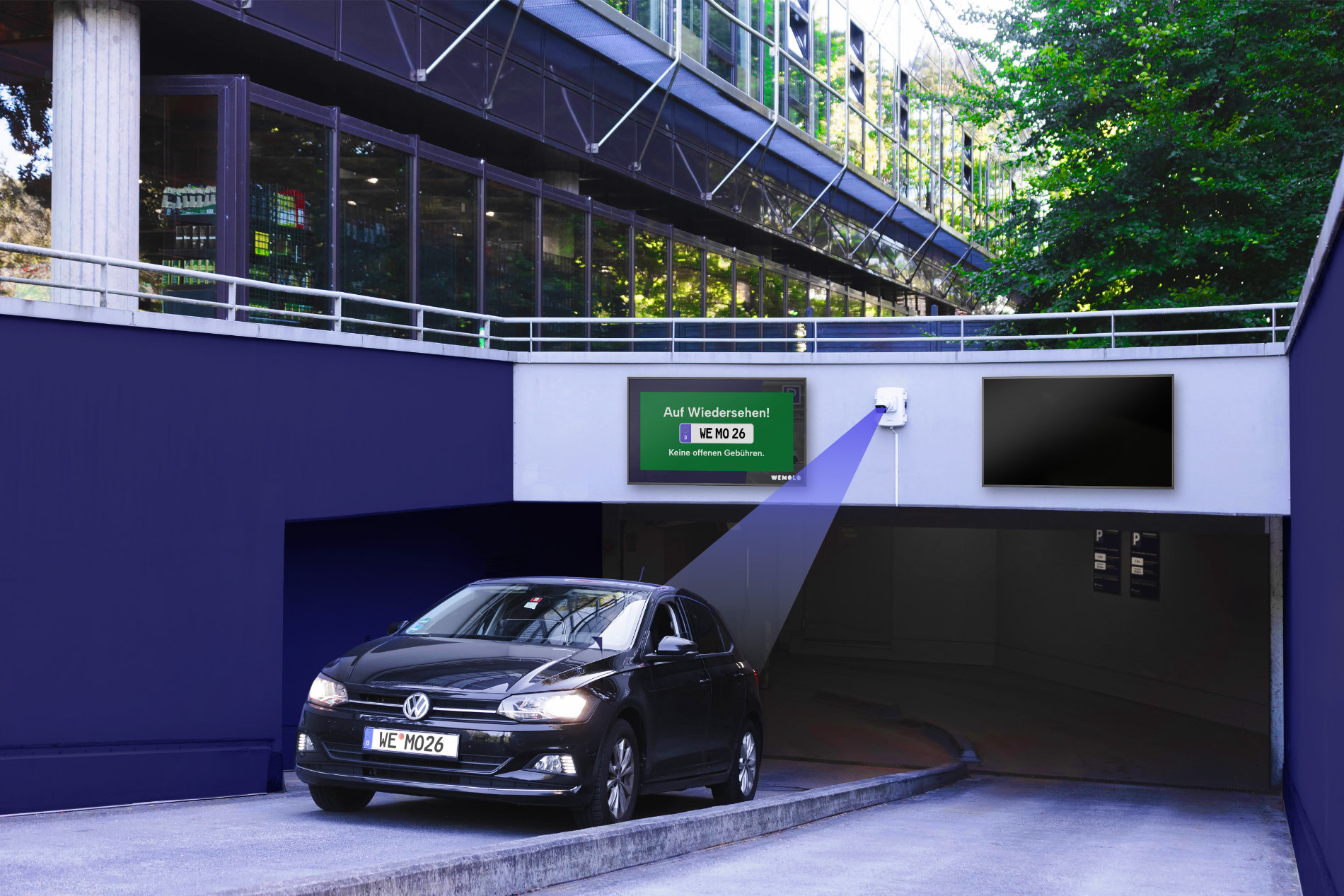
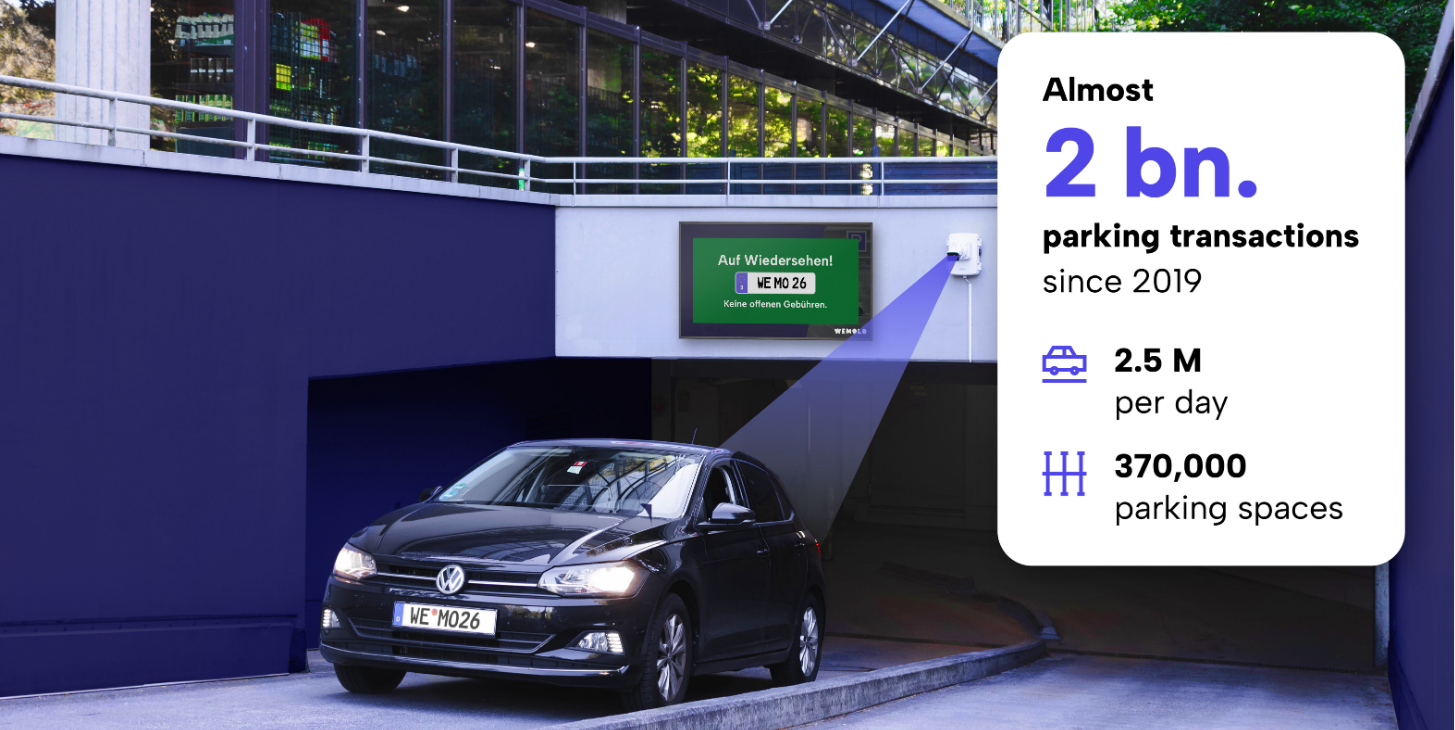
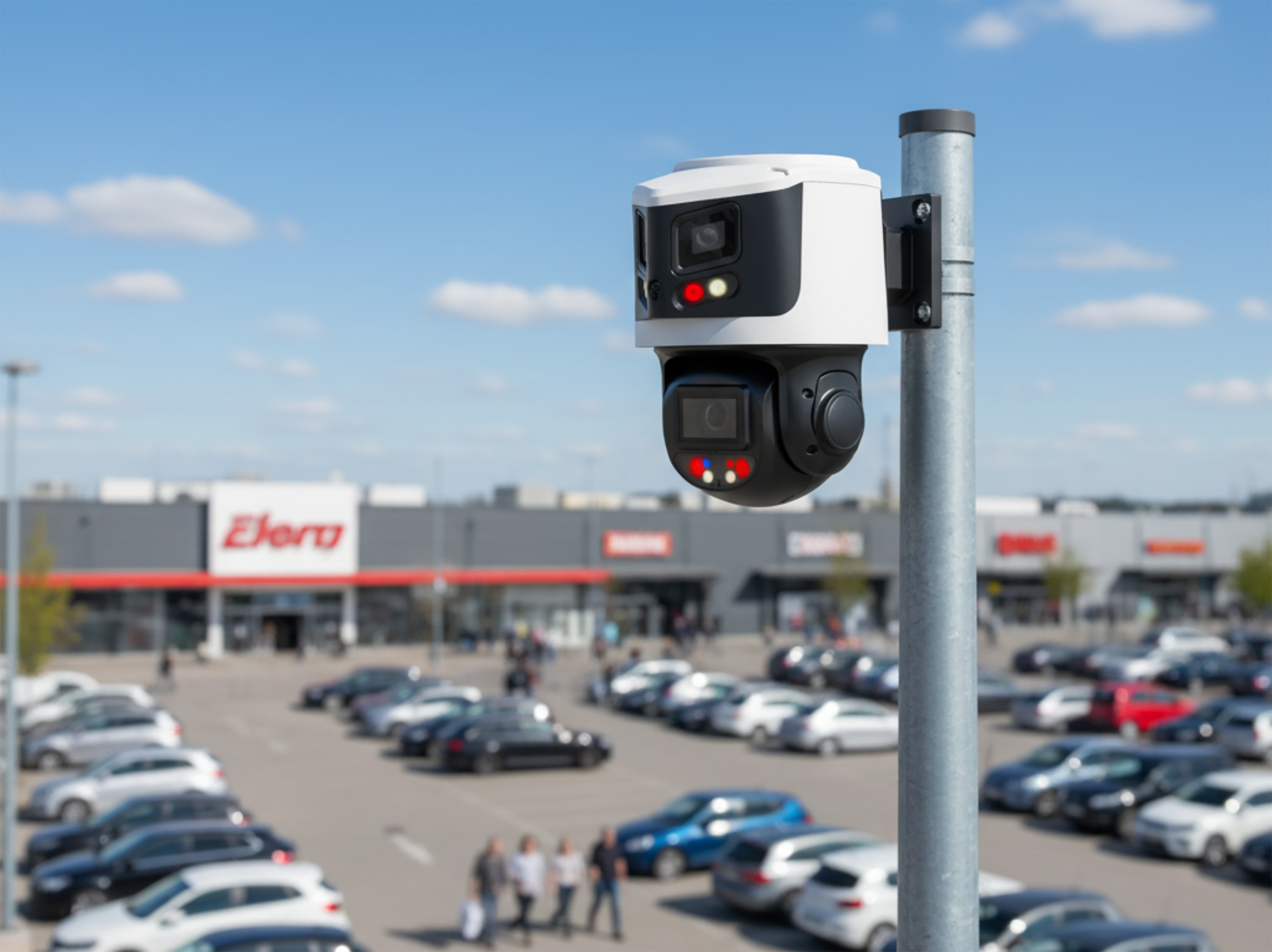
Wemolo relies on free-flow technology: AI cameras recognise number plates in compliance with GDPR, making barriers or tickets redundant. "Berlin shows us the urban dilemma every day: congested roads, empty car parks. We solve this with technology that makes every unused space available," explains Jakob Bodenmüller, Co-CEO and co-founder of Wemolo. The Munich-based company already manages over 3,500 locations with 255,000 parking spaces across Europe, including sites for Aldi, Carrefour and McDonald's.
Pilot Launch in Three Berlin Districts
The selection of locations reflects different mobility needs in Berlin and highlights local challenges:
- Tierpark Berlin (Am Tierpark 82, 10319 Berlin-Lichtenberg): Located directly at the Underground station, where new residential and commercial buildings are set to further increase parking pressure according to district plans. The Tierpark visitor car parks are regularly overflowing on weekends, whilst the Lichtenberg area simultaneously suffers from the displacement effect from Friedrichshain-Kreuzberg. Rates: 3 Euros/night, 12 Euros/week, 30 Euros/month.
- Europasportpark (Hermann-Blankenstein-Str. 46, 10249 Berlin-Prenzlauer Berg): The most affordable option near Landsberger Allee rail station, which presents a particularly critical parking scenario. The Velodrome and the swimming pool have “no dedicated visitor car parks,” as even the arena operators warn on their website. Events with up to 12,000 visitors regularly clog the few public spaces, whilst construction work in Paul-Heyse-Straße and Fritz-Riedel-Straße further restricts availability. Rates: 2 Euros/night, 8 Euros/week, 20 Euros/month.
- Panketal (Alt-Zepernick 6, 16341 Panketal): A commuter hotspot at the chronically overcrowded Zepernick Park & Ride car park, where 168 spaces are not enough for the entire northern Berlin surrounding area. Media regularly reports on temporary closures and bottlenecks, whilst the municipality of Panketal actively manages parking and conducts regular cleaning operations with parking restrictions. Rates: 3 Euros/night, 12 Euros/week, 30 Euros/month.
Paving the way for a City-Wide Berlin Solution
The pilot project is timely in the current political climate: the Berlin Senate is already planning to “integrate supermarket car parks into the public system” and is working on a comprehensive digital car park concept. A study on the potential of unused private spaces is expected to be available in 2026. In parallel, Berlin is already testing “Scan-Cars” for digital car park monitoring and is considering the widespread introduction of number plate recognition.
With the Getränke Hoffmann Group's widespread network of branches in Berlin alone – from densely built-up inner-city districts to spacious outer districts – an extensive rollout would be entirely realistic. “We create added value in urban areas with every space we open up,” says Bodenmüller.
Science is Watching: Berlin as a Real-World Laboratory
The Urban Places Lab – a think tank specialising in urban transformation – is scientifically supporting the project and analysing usage patterns to develop specific recommendations: How many spaces could be opened up in which Berlin districts? Which pricing models work best? “Berlin is becoming a real-world laboratory for smart space utilisation. The findings will become the blueprint for other European metropolises,” states Michael Semmer, co-founder of the Urban Places Lab. The Berlin pilot data flows into the largest European database for urban transformation – a knowledge base that can support future Smart City decisions in Berlin and beyond.
For Getränke Hoffmann, the innovation is a natural continuation of the company philosophy. “It is our ambition to consistently align our services with the needs of our customers. We are guided by the philosophy of our company founder: we want to create solutions that are practical, reliable, and tangible for the people in our service area. Our car parks can do more – which is why we are opening them up to the neighbourhood at night,” says Mario Benedikt, Managing Director of Getränke Hoffmann. The triple-win situation demonstrates the potential of intelligent space utilisation: car drivers find affordable parking, retailers monetise dormant spaces, and the city reduces traffic congestion – all without additional surface sealing.
The result: more space for people, less stress on the roads – and it can be booked today at www.go.wemolo.com/parken-berlin.
About Wemolo
The Munich-based tech company Wemolo specializes in digital parking space management and optimization. The idea was born in July 2019 from a project at UnternehmerTUM. The team around the three founders Jakob Bodenmüller, Bastian Pieper and Yukio Iwamoto now employs over 250 people in Munich and at four other European locations: Salzburg, Zurich, Wroclaw and Milan. In the DACH region as well as in Poland and Italy, over 3.500 parking areas already rely on the Wemolo solution, which records more than 2,5 million parking transactions every day. In the Deloitte Fast 50 ranking, Wemolo is listed as the fastest growing startup in Germany. Its customer portfolio includes well-known retailers such as Aldi, Edeka and Carrefour, leading real estate companies such as Defama Deutsche Fachmarkt AG and HIH Real Estate, restaurants such as McDonald's and Burger King, hotel chains such as Best Western, renowned healthcare facilities such as Asklepios Klinik and numerous financial service providers and local authorities throughout Europe.
Further information at www.wemolo.com
About Getränke Hoffmann
With around 600 branches, Getränke Hoffmann is Germany's largest specialist beverage retailer. In the federal states of Berlin, Brandenburg, Hamburg, Lower Saxony, North Rhine-Westphalia, Hesse, Rhineland-Palatinate, Saxony-Anhalt, Saxony, Bavaria, Thuringia, and Schleswig-Holstein, Getränke Hoffmann promotes the world of refreshments and offers favourite drinks for good moments nearby. For almost 60 years, the best possible service and convenient shopping for customers have been a priority, guaranteed by the extensive branch network, around 300 retail partners, and approximately 2,000 employees. The diverse service spectrum of Getränke Hoffmann is rounded off by a product range of around 11,400 items.
PR Agency Contact
SCRIVO Communications
Contactr: Tristan Thaller
Lachnerstraße 33
D-80639 München
Tel: +49 151 21731447
Email: tristan.thaller@scrivo.de
Webseite: www.scrivo.de
Company Contact
Wemolo GmbH
Contact: Kira Nolte
Isarwinkel 4
D-81379 München
Tel: +49 151 42080979
Email: presse@wemolo.com
Webseite: www.wemolo.com
.jpg)
.jpg)

Your parking expert
From experience, we can say that a brief assessment of your situation effectively clarifies the most important issues and paves the way to successful cooperation.
Il tuo esperto di parcheggi

Per experience, possiamo dire che una breve evaluation of vostra situazione chiarisce efficacemente le questioni più importanti e apre la strada a una cooperazione di successo.
location