



.jpg.jpg)



.jpg)





.webp)

Parking in the Gastronomy Industry: An Underestimated Factor for Guest Satisfaction and Revenue
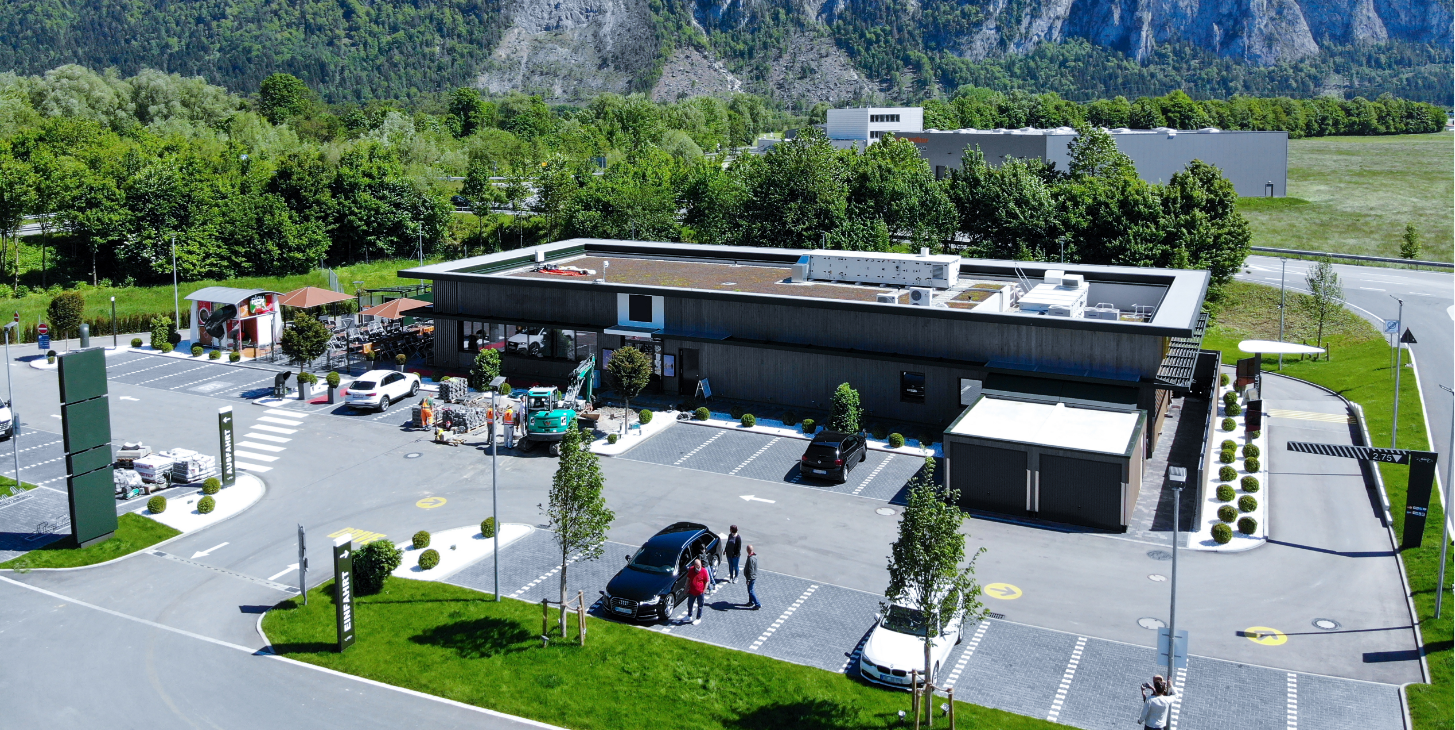

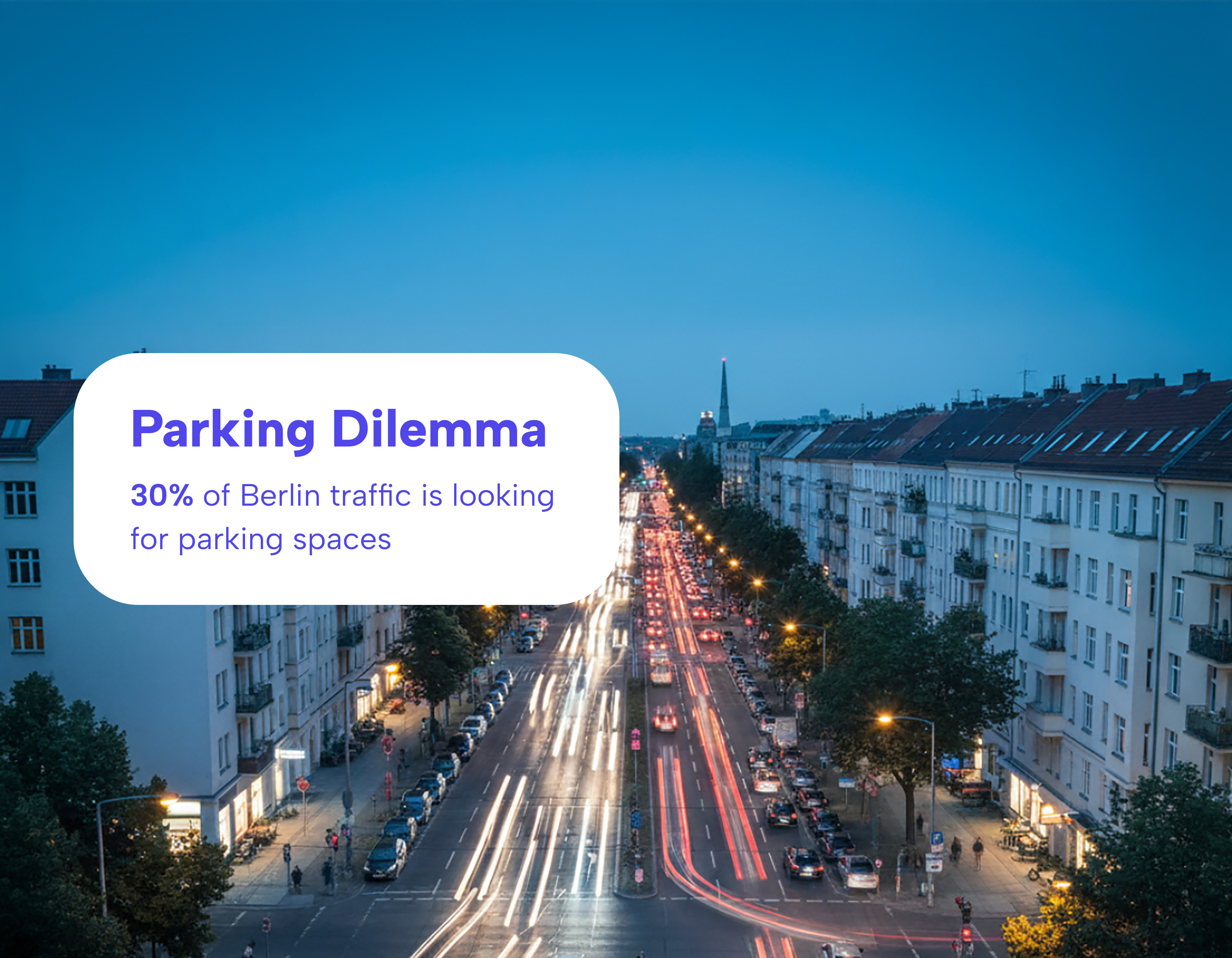
Especially in cities, parking space is usually limited. This makes it all the more important to make the best use of a gastronomy business’s parking spots, prevent unauthorized parking, and provide a clear added value for your guests. Digital parking space management solutions enable exactly this – efficiently, automatically, and without extra effort for the operator.
Key Points at a Glance
- Parking in the gastronomy industry affects guest satisfaction and overall revenue, especially in urban areas.
- It’s not the size of the parking area that matters, but that spaces are reliably available for your own guests.
- Digital parking management prevents unauthorized parking and reduces the operational burden.
- Flexible rules, such as QR codes for free parking extensions, create additional value for guests.
- Automated systems reduce costs and improve the utilization of existing parking spaces.
Why Parking is Economically Relevant for the Gastronomy Industry
A guest’s experience begins with the journey to the restaurant. If they can’t find a parking spot, they may arrive stressed or even decide not to visit at all. Both in cities and outside central urban areas, the availability of parking is a significant competitive factor.
Well-organized parking positively impacts occupancy rates and guest satisfaction. For operators, this becomes especially noticeable when arrival and parking run smoothly and the visit is perceived as convenient from the start.
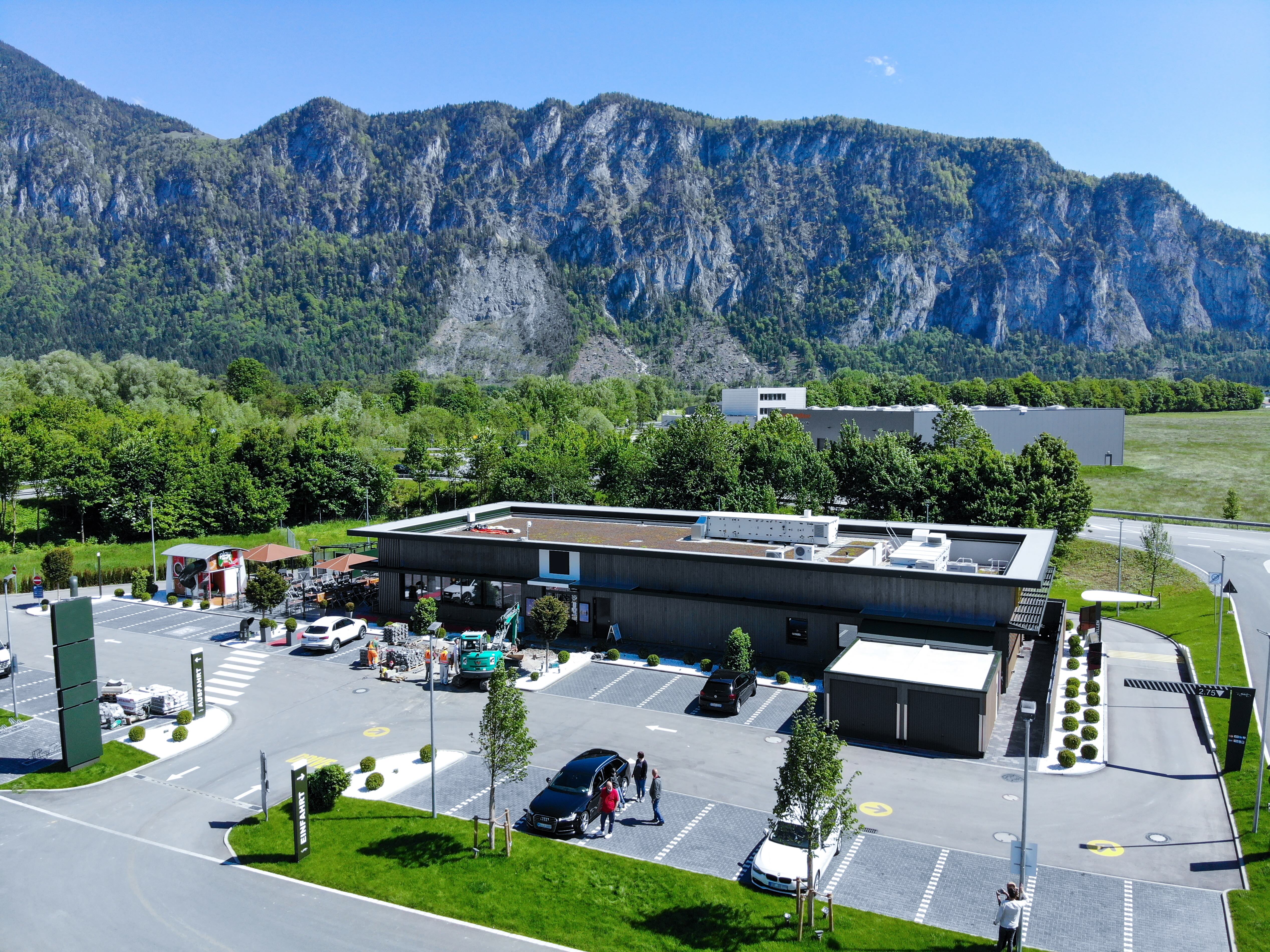
Digital solutions, such as those from Wemolo, address this exact point. The economic benefits are clear when looking at current implementations. International gastronomy chains like McDonald’s and Burger King already use Wemolo to consistently reserve parking spaces for their guests.
Parking spaces that are not needed by guests at certain times, such as on rest days or outside opening hours, can be selectively rented out to others. This avoids vacancies and generates additional revenue without compromising guest comfort. Digital systems manage this process automatically and transparently.
A practical example of flexible use of existing parking spaces is Getränke Hoffmann. In Berlin, the company, together with Wemolo, opens parking spaces at three locations at night, bookable online from €2 per night or via weekly or monthly subscriptions. “Our parking spaces can do more – that’s why we open them at night for the neighborhood,” says Getränke Hoffmann CEO Mario Benedikt about the initiative.
How to Efficiently Plan and Organize Parking Spaces
Good parking organization doesn’t start with enforcement; it starts with planning. In practice, legal requirements, municipal guidelines, and possible development restrictions play a role. Depending on the municipality, there are rules for how parking spaces can be laid out, marked, and used. For restaurateurs, this mainly means that parking must be clear, logical, and compliant with regulations.
How is the Number of Parking Spaces in Gastronomy Determined?
The number of parking spaces a restaurant needs depends on its size, location, and guest volume, and is often determined by municipal guidelines during the permitting process.
Many municipalities provide specific benchmarks, such as one parking space per 8–10 m² of dining area or per a defined number of seats. These guidelines serve only as orientation for the number of parking spaces in gastronomy and do not constitute a nationwide rule.
Design of Parking Areas
For guests, it’s most important to navigate the parking lot quickly. Clear markings, easily recognizable signs, and short walking distances help more than any detailed layout plan. Good lighting creates a sense of security, especially in the evening, and improves orientation. Accessible parking and designated handicapped spaces are also essential – not just for compliance, but because they make the visit noticeably easier for all guests.
Digital Parking Management in Gastronomy
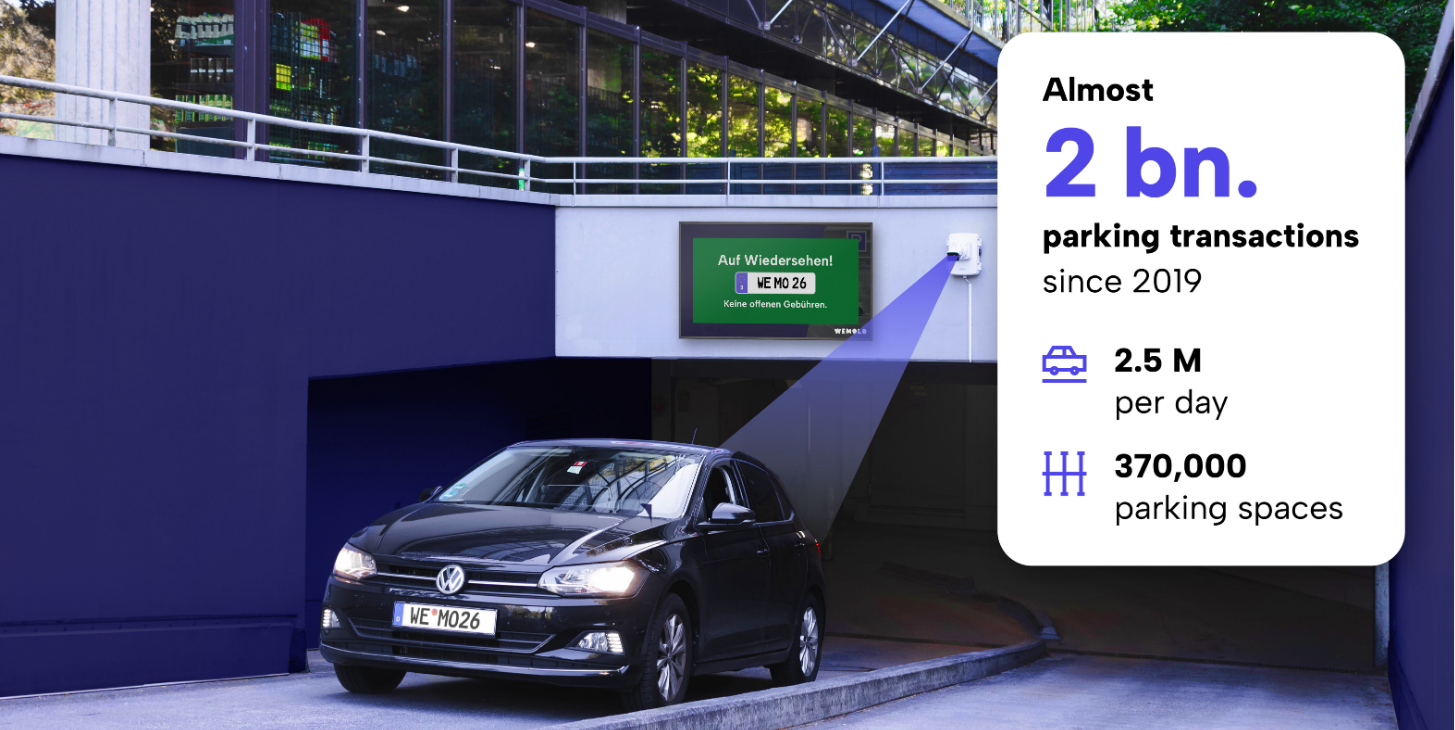
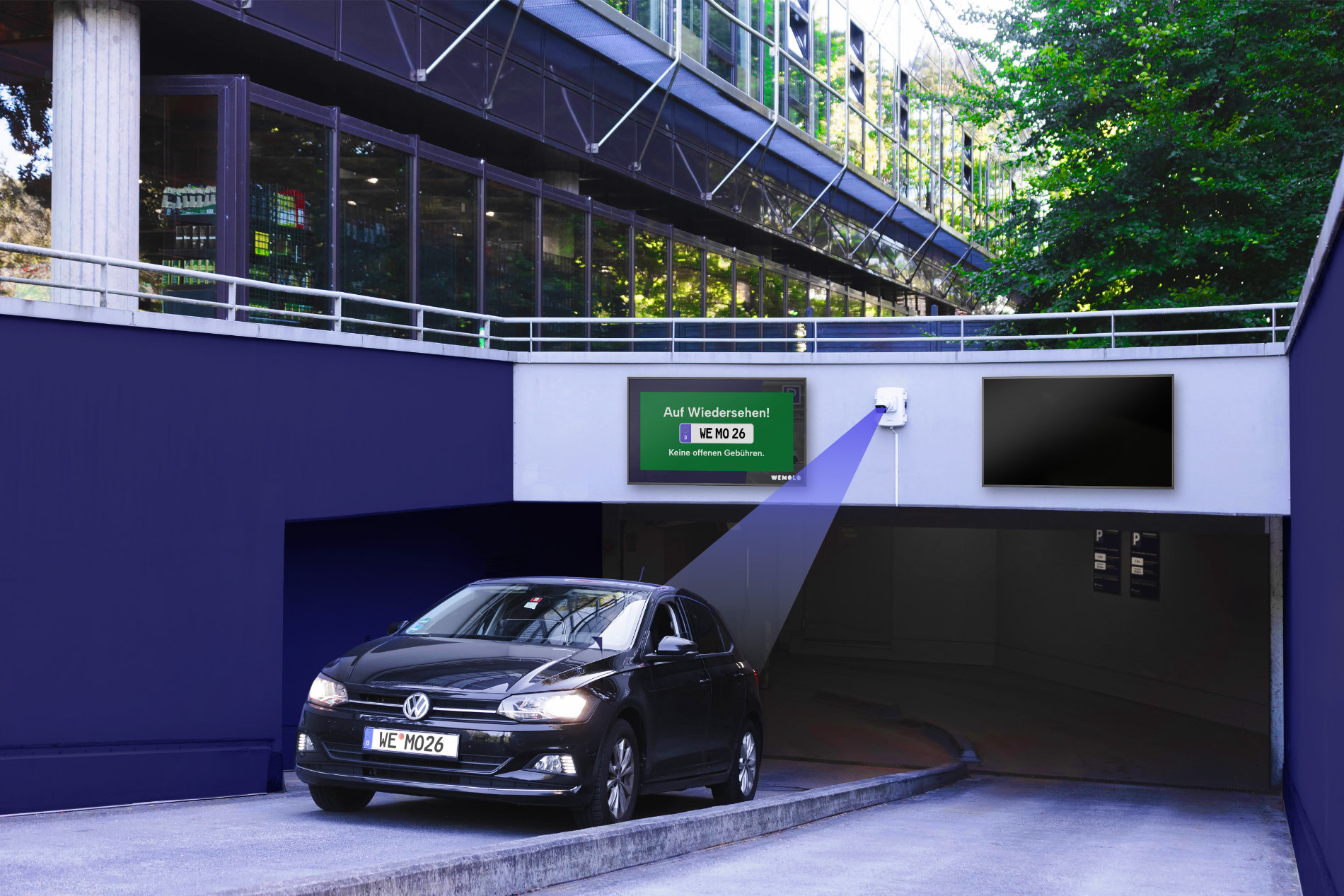
In many gastronomy businesses, parking management has changed significantly in recent years. Instead of barriers, tickets, or manual checks, camera-based systems are now being used.
Wemolo’s solution enables fully digital monitoring and management of parking spaces:
- Automatic Detection of Entry and Exit
Vehicles are automatically recognized when entering or leaving, accurately documenting parking events – without tickets or barriers. - Digital and Transparent Billing
Parking fees are automatically calculated and processed digitally. Operators can always monitor revenue and outstanding payments. - Overview of Current Metrics
Through the online dashboard, operators can track daily how many vehicles were present, how long they parked, and when the most spaces were occupied. Key metrics such as occupancy, revenue, and peak times are displayed clearly.
This enables more efficient use of parking spaces and enforces rules technically, simplifying daily operations for operators and allowing guests to park conveniently without tickets.
For operators, the practical benefits include:
- Less effort for staff
No complex maintenance of barriers or ticket systems and no manual vehicle checks. - Camera-based 24/7 monitoring
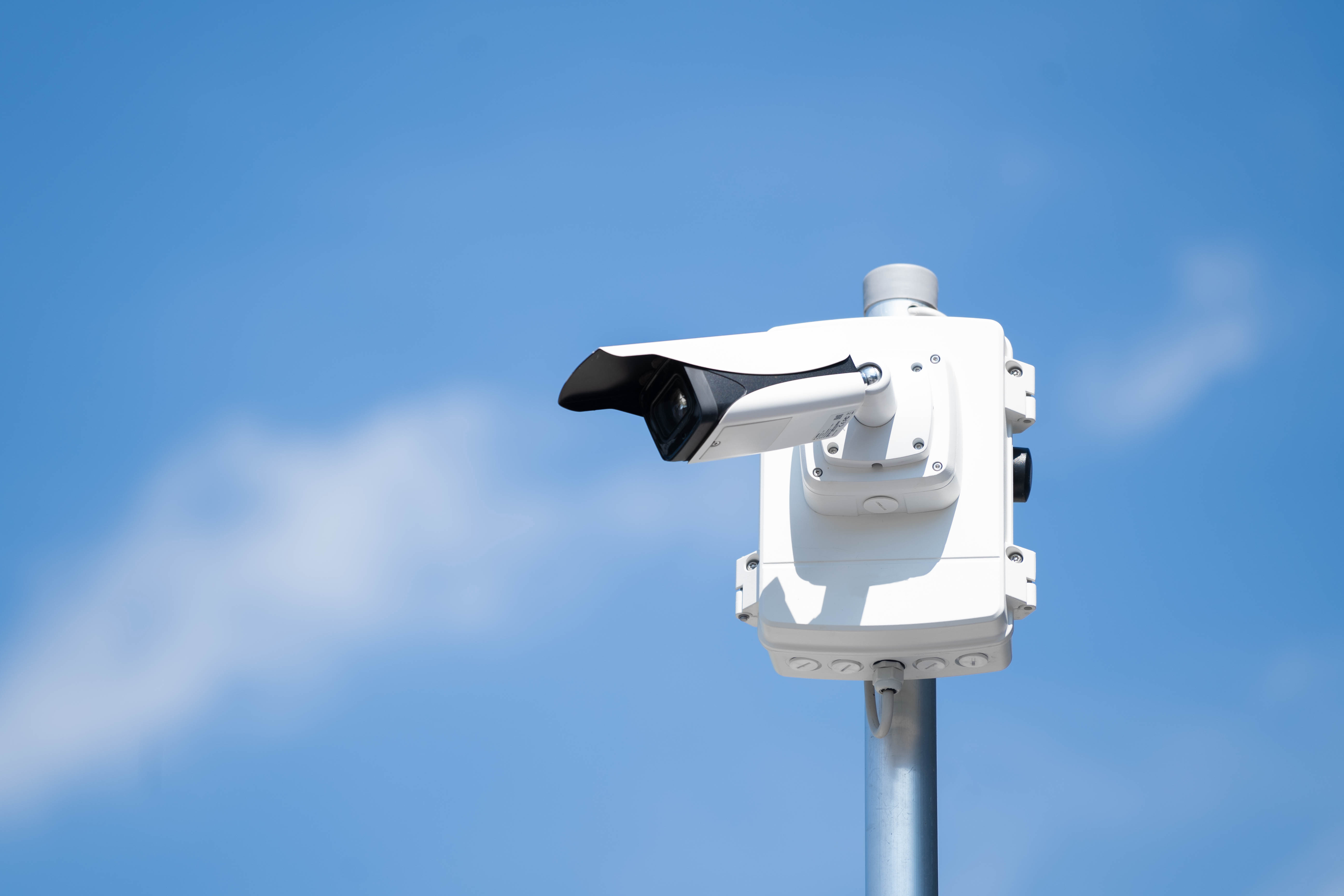
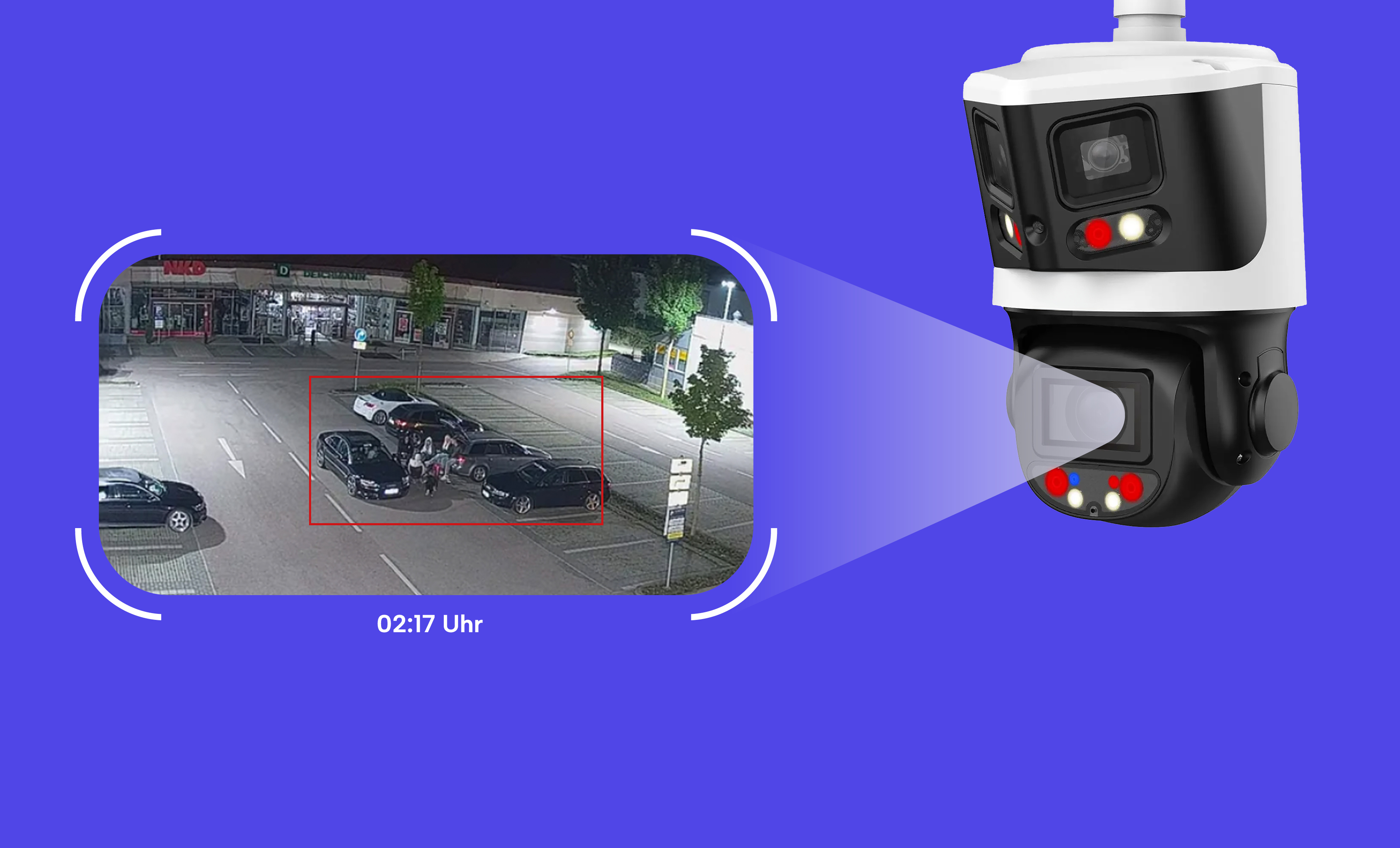
The parking lot is continuously monitored. Entries, exits, and parking events are documented, even at night. Unusual occurrences, such as unusually long stays or unregistered vehicles, can be automatically detected and reviewed. - Flexible adjustment of parking rules
Temporary regulations, time windows, or special rules can be easily adapted without changing physical infrastructure.
For gastronomy businesses with evening or night operations, the surroundings also matter. The standard solution documents entries and exits, helping to identify which vehicles were on the lot at specific times.
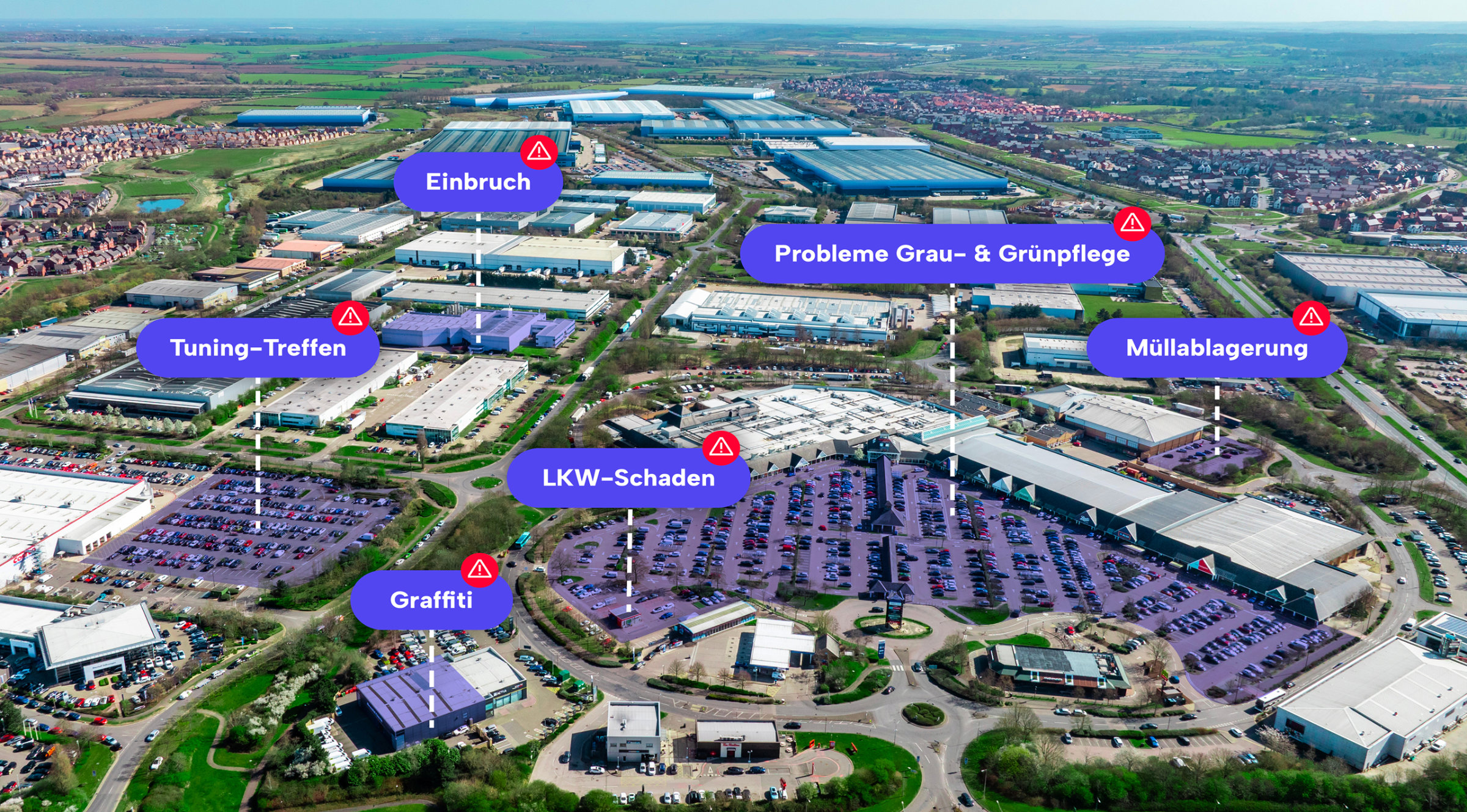
Optimal vandalism protection comes with Wemolo’s optional AI-based area monitoring. 360° cameras document relevant events in a privacy-compliant manner. If needed, the system sends email tickets with photo evidence to facility managers or security services. This allows damages to be traced to specific times and documented if necessary.
The combination of transparency and traceability acts preventively and simplifies claims handling. Parking management thus contributes to a calmer environment around the location and relieves operators, especially where late opening hours are part of the concept.
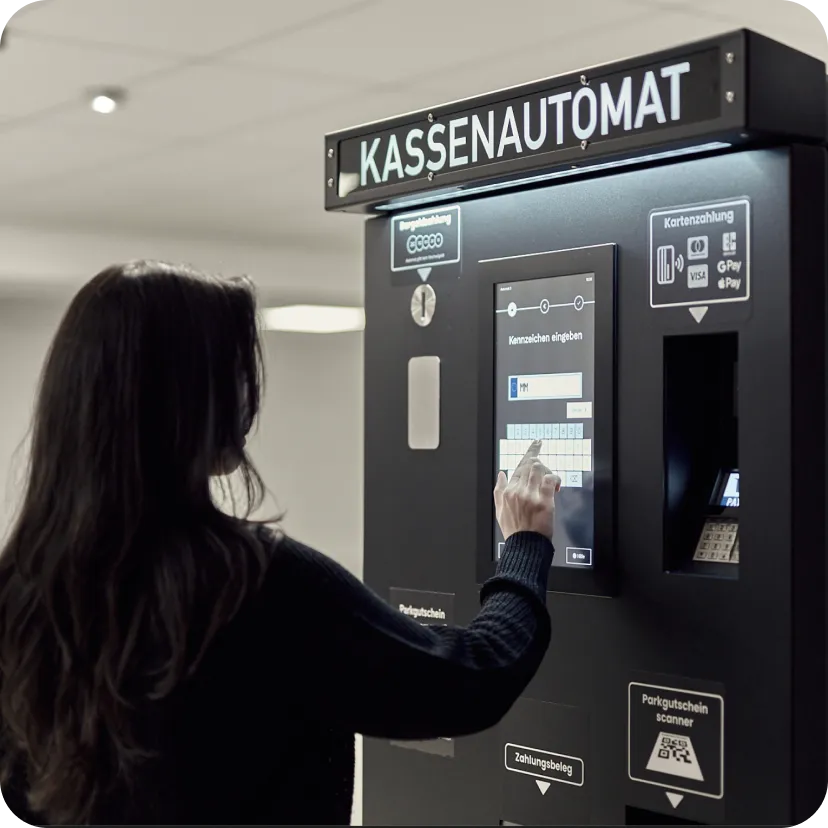
On this basis, processes for guests can also be designed clearly and simply: parking time can be extended via QR code, or free stays can be regulated without involving staff. At the same time, unauthorized vehicles are automatically detected. This ensures clarity, reduces conflicts, and noticeably eases operations.
Cooperation with a parking garage can also be beneficial for restaurants. Digital systems simplify joint management, ensure transparent billing, and help integrate existing infrastructure into the offering.
Conclusion
Parking is an economic factor in gastronomy that is often underestimated. When guests can arrive relaxed and park without detours, it impacts dwell time, occupancy, and revenue. Digital parking management helps you keep organizational effort manageable.
FAQ
How many parking spaces should a restaurant have?
The number of parking spaces for a restaurant, including or excluding outdoor dining, bars, and pubs, is determined during the municipal building permit process, usually based on local parking regulations or planning codes. Many municipalities provide benchmarks, such as one parking space per 8–10 m² of dining area or per defined number of seats.
What are the advantages of a digital parking system for gastronomy?
A digital parking system reduces staff workload and prevents unauthorized parking. Parking times are automatically recorded and billed transparently. Gastronomy operators can monitor occupancy and revenue while ensuring that parking spaces are prioritized for guests – even during peak times, in the evening, and on weekends.
Is a business required to provide parking spaces?
Whether a gastronomy business must provide parking spaces depends on the state building code and municipal regulations. For new constructions or changes of use, parking is often mandatory and evaluated during the application process. Alternatively, buyouts or partnerships with nearby parking garages may be possible if permitted by the municipality.
What rules apply in parking areas?
On private parking lots, the conditions set by the operator apply. They must be clearly communicated and legally enforceable. Digital parking systems provide transparent rules, automatic monitoring, and consistent enforcement. This helps prevent violations without staff intervention or conflicts with parked vehicles.
Sources
[1] Wemolo – Parking Space Management
[2] Wemolo Press Release: Getränke Hoffmann Opens Up Parking Spaces for Berlin Drivers
[3] Wemolo Press Release: Wemolo Turns Retail Parking Lots into 24/7 Revenue Streams
[4] Stellplatzverordnung – rechtliche Grundlagen
[5] Beispiel für kommunale Stellplatzpflicht in der Gastronomie
[6] https://www.gesetze-bayern.de/Content/Document/BayGaV-ANL_1
[7] akbw.de – Merkblatt 593
Similar articles

Municipal parking space management: digital solutions for cities and municipalities
Digital municipal parking space management for cities: efficiently manage parking spaces, increase capacity utilization & relieve traffic. Discover solutions now.

Parking Space Management & Real Estate Administration
AI-based Parking Space Management in Real Estate Administration ✓ Learn more about innovative opportunities for the real estate industry!

Barrier-free parking in healthcare
Optimize your hospital parking ➤ Increase revenue & ease the burden on your administration. Digital, fair & reliable. Learn more now!